Comparison: Linen vs Cotton vs Velvet for Sofa Cushions in Busy Family Homes
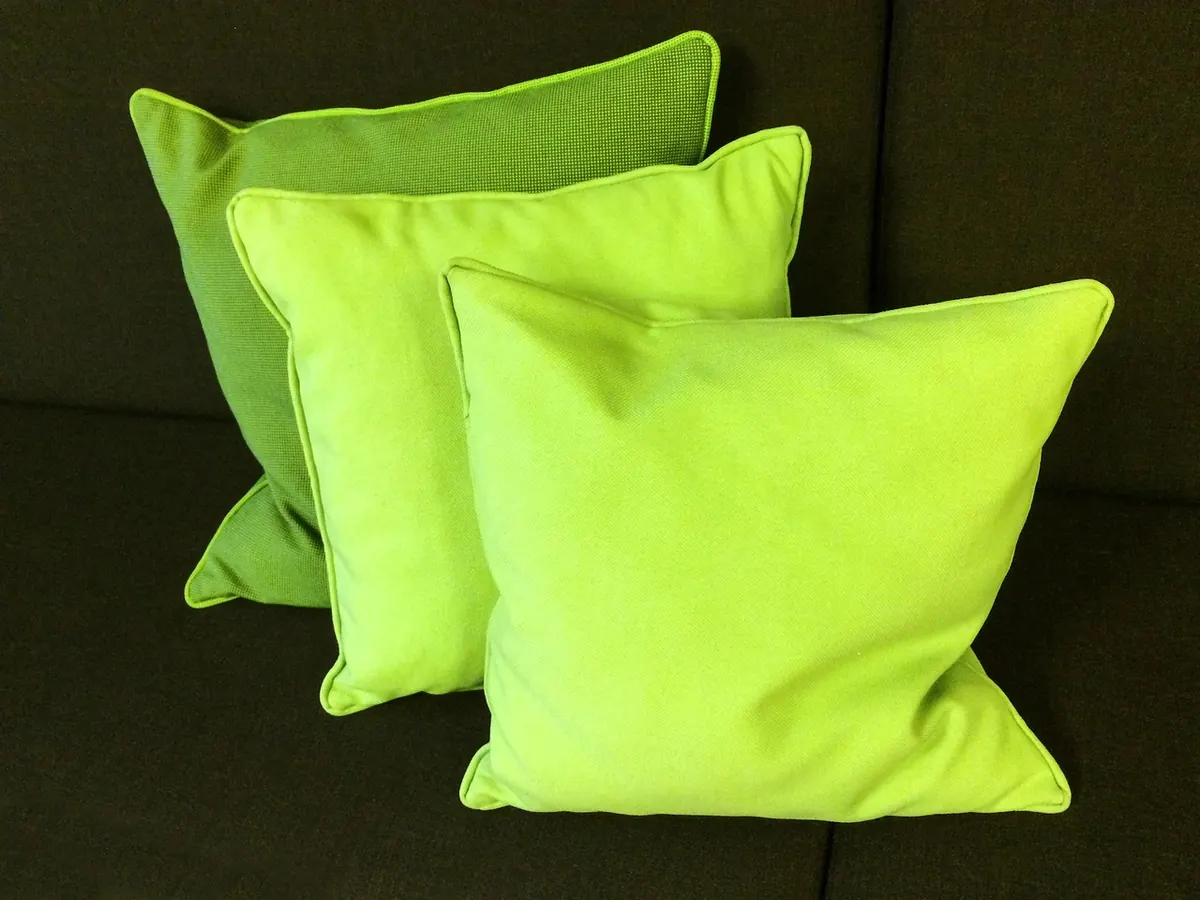
Cushion covers are the cheapest way to change a sofa and the easiest way to waste money. Buy the wrong fabric and you will be picking off dog hair with damp fingers for the next two years, or watching a pale linen cover turn grey where the sunlight hits it every afternoon. The fabric matters more than the shade you choose, especially in a house with children, pets and someone who eats toast on the sofa.
Here is how linen, cotton and velvet actually behave in a busy home, and which one is likely to suit yours.
What each fabric brings to a sofa
- Linen — breathable, textured, relaxed. Softens with every wash but creases constantly and is the least forgiving of abrasion.
- Cotton — the workhorse. Tight-weave cotton canvas and twill take serious wear, wash well, and hold colour reasonably.
- Velvet — luxurious and warm, but pile flattens, holds crumbs, snags on claws and often needs professional cleaning.
Cotton-linen blends and cotton-viscose velvets sit between these categories, and often give you the best of both. If you are unsure, a blend is rarely the wrong answer.
Durability: who survives the school run and the dog
Linen
Flax fibre is genuinely strong — it is actually stronger when wet, which is why linen tea towels last so long. Its weakness is abrasion. Cushions get leaned on, sat on, thrown on the floor and used as forts, and a loose linen weave will eventually thin and pill in the corners. Heavier, tightly woven linen holds up far better than thin, drapey stuff. Linen blends with cotton or a little polyester also add resilience without losing the texture.
Cotton
This is the fabric to choose if you want to stop thinking about it. A mid-to-heavyweight cotton canvas or twill resists rubbing, does not pill much, and keeps its shape through repeated washing. Cotton ducks and drills are dense enough to shrug off daily scuffing. Lighter cotton poplin and voile look pretty and last about as long as a paper napkin in a house with toddlers.
Velvet
The wear story here is all about pile. Cotton velvet is sturdy but the surface still crushes, and once pile is flattened in a patch, it catches the light differently and looks like a stain even when it is clean. Polyester velvet is the most hard-wearing and stain-resistant option. Viscose velvet is the softest and the most delicate — water marks it, and it marks where you sit. Velvet and cat claws are a difficult combination at close range.
Cleaning, spills and everyday mess
Removable covers with a hidden zip change everything. If a cover can come off, most spills become a 30°C wash rather than a crisis. If covers are fixed, you are spot-cleaning in place, which narrows your options considerably.
- Blot, never rub. Rubbing pushes liquid into the weave and spreads the mark.
- Test on the back or underside first, especially with anything containing bleach or enzymes.
- Work from the outside of the stain inwards so you do not create a ring.
- Air dry covers flat or over a line — tumble drying shrinks natural fibres.
Cotton is the easiest: most covers can be machine washed at 30°C or 40°C, though check whether the fabric was pre-shrunk before you assume it will fit afterwards. Linen washes well but shrinks and creases unless pre-treated, and it looks better ironed slightly damp or simply left to do its own thing. Velvet should generally be dry cleaned. Brushing the pile back into place after cleaning and steaming lightly to lift it helps, but do not saturate velvet — water leaves tide marks on viscose and can flatten cotton pile.
If a cover is heavily soiled, vintage or clearly delicate, ask a professional upholstery cleaner before you try anything at home. A replacement cover is cheaper than a ruined one.
Pet hair, claws and the cushions you actually own
Every fabric collects pet hair. The question is how easily it lets go. Tight-weave cotton is the easiest to live with: run a rubber glove or a damp sponge over it and the hair lifts in sheets, and a vacuum with an upholstery attachment works well. Linen's rougher surface grips hair slightly more, but its texture hides a certain amount, which is a small mercy on a dark green cover.
Velvet is the awkward one. Hair works its way into the pile and needs a soft brush and patience rather than a hard vacuum head, which will flatten the nap you are trying to protect. Claws add snags to the list. Short of a velvet blend or polyester velvet, this is a fabric better suited to a home where the cat sleeps elsewhere.
Fading and colour over time
No indoor fabric is completely fade-proof. Strong afternoon sun through a south-facing window will gradually dull linen and cotton dyes, and pale colours show the shift fastest because there is nowhere to hide it. Rotate your cushions weekly, flip them, and keep the ones nearest the window out of direct glare with a blind or a throw when the room is empty. Deep or mid-tones, woven patterns and slightly heathered textures hide fading and marks far better than flat pale plains.
Watch for dye transfer too: dark denim and new dark cushions against pale linen covers is a common pairing that shows up after a few weeks of feet-up evenings.
A practical way to decide
Start with who uses the sofa. Families with young children, dogs and a low tolerance for fuss are usually happiest with heavyweight cotton or a cotton-linen blend in a mid-tone, with removable, machine-washable covers and a spare set in the cupboard. Homes with older children and no clawed pets can enjoy linen's relaxed texture, accepting the creases as part of the look. Velvet works beautifully in a quieter room, or on a sofa that is more often admired than sat on.
Whichever you choose, buy one cover first and live with it for a fortnight before ordering the rest. Cushion fabric is a small decision with a big daily impact, and the best cover is the one you are not thinking about.
Photo: Didgeman / Pixabay