How to Style a Rental Living Room Without Drilling or Losing Your Deposit
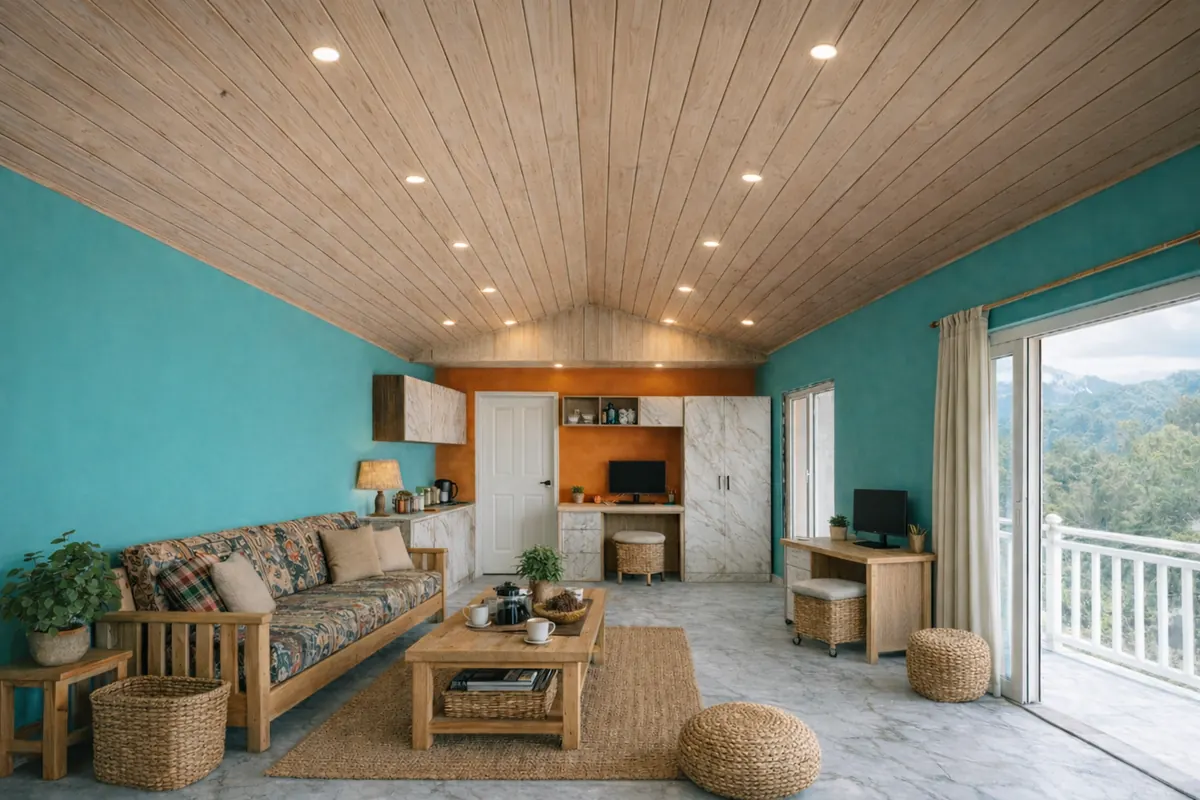
A rental living room can feel like a compromise. You want it to look like yours, but the lease says no drilling, no painting, and no permanent changes. The good news is that some of the best rental-friendly updates are also the most stylish. With a few clever buys and a bit of planning, you can create a room that feels settled and personal—without giving your landlord a reason to keep your deposit.
Start with a damage-free toolkit
Before you buy anything, gather the basics. These are the items that do the heavy lifting in a rental, and most of them can be reused when you move.
- Tension rods for curtains, voiles and lightweight fabric dividers
- Removable wallpaper or peel-and-stick panels for a feature wall
- Freestanding or leaning shelves for books, plants and storage
- Plug-in wall lights and battery-operated sconces
- Damage-free adhesive strips and hooks (check the weight limit on the packet)
- Cord covers and cable clips to keep wires tidy
You do not need all of these at once. Start with the piece that will make the biggest difference to how the room feels. For most renters, that is either the lighting or the window treatment.
Tension rods: curtains without a single hole
Tension rods are simple, effective and completely removable. They work best inside a window recess, where the rubber ends press against the sides of the alcove. Measure the width of the recess at the point where the rod will sit, then choose a rod that extends a few centimetres beyond that measurement so it can spring into place.
For a living room, a tension rod with a sheer voile or a lightweight linen curtain softens the window without blocking too much light. If you want a café-style curtain, fit the rod halfway up the window. Avoid hanging heavy blackout curtains on a tension rod—they will pull it down. Look for a rod with rubber pads rather than plastic, as these grip better and are less likely to mark the wall.
Making a tension rod stay put
Clean the sides of the recess before fitting. Dust and grease make the rod slip. If the surface is textured or uneven, a tension rod may not hold; in that case, use a freestanding curtain frame or an over-door hook instead. For wide windows, add a centre support bracket if the rod comes with one, or choose two shorter rods and meet them in the middle.
Removable wallpaper: a feature wall you can peel away
Peel-and-stick wallpaper has come a long way. Modern versions are designed for renters, with a low-tack adhesive that releases when you warm it gently with a hairdryer. The trick is preparation. Walls should be clean, dry and smooth. Freshly painted walls need several weeks to cure before you apply anything, or the paper may take the paint with it when you remove it.
Start with a small test patch in a hidden corner, such as behind a sofa. Leave it for a few days, then peel it back to check the wall underneath. If the paint lifts, stop. You can still use removable wallpaper on a freestanding panel or inside the back of a shelf, which gives you the pattern without the risk.
For a living room, a single feature wall behind the sofa or television works well. Choose a design you will not tire of quickly—large-scale patterns can feel overwhelming in a small room. Apply from the top down, smoothing as you go with a felt-edged tool or a clean cloth.
Freestanding shelves that look built-in
Freestanding shelves are the renter's answer to built-in joinery. Ladder shelves, cube units and low sideboards all add storage and display space without a screw. The key is to choose a piece that suits the room's proportions. A tall, narrow ladder shelf can make a ceiling feel higher, while a low, wide unit makes a space feel more grounded.
Style shelves with a mix of books, plants, ceramics and baskets. Baskets are especially useful for hiding remote controls, chargers and other clutter. Leave some empty space so the shelves do not look crowded. If you have small children or pets, choose a low, wide unit rather than a tall, top-heavy one. Tall freestanding shelves can tip if they are climbed or knocked, and without drilling you cannot safely anchor them to the wall. In that case, a lower design is the sensible choice.
Plug-in wall lights for instant atmosphere
Plug-in wall lights give you the look of a wired sconce without an electrician. They plug into a standard socket and often come with a cord cover that can be painted to match the wall. Place them either side of a sofa, a favourite chair or a fireplace to create pools of warm light. Battery-operated wall lights are another option, and many come with a remote control so you can dim them from across the room.
Use warm white bulbs rather than cool white. Layer the light with a floor lamp and a table lamp so you can change the mood from bright and practical to soft and evening-friendly. Keep cords away from walkways, and do not overload sockets. If you need to run a cord across a doorway, use a cable protector or choose a different wall.
Finishing touches that respect the walls
Rugs, cushions and throws do more for a rental living room than almost anything else. They add colour, texture and warmth, and they leave no trace when you move. For art, use damage-free adhesive strips designed for picture hanging. Check the weight limit and follow the instructions carefully. Heavier pieces can lean against the wall on a picture ledge or rest on a freestanding easel.
Mirrors are another rental-friendly trick. A large leaning mirror bounces light around the room and makes a small space feel bigger. Choose one with a sturdy frame and lean it against a wall where it will not be knocked. Plants, whether real or faux, add life to corners and shelves. Group them in odd numbers for a natural look.
Your deposit-friendly action plan
Start with the biggest visual change: the window treatment or the lighting. Then add the shelves and the finishing touches. Keep all packaging, instructions and spare adhesive strips in a labelled box so you can reverse everything when you leave. Before you remove anything, warm removable wallpaper and adhesive strips gently with a hairdryer, then peel slowly. Fill any small holes with a little white filler if needed, and touch up with matching paint—but only if you are confident you can match the colour.
Finally, check your tenancy agreement before you start. Some landlords ask for permission even for removable changes. If anything is unclear, ask your letting agent in writing and keep a copy of the reply. A rental living room can be every bit as stylish as one you own. You just need to choose updates that are as easy to remove as they are to love.
Photo: Biren Negi / Pexels