Seasonal Guide: Winter-Proofing Your Front Room with Wool, Flannel and Candlelight

British winters don't arrive all at once. They creep in under doors, through single-glazed sashes and along cold floorboards, and by January the front room can feel less like somewhere to relax and more like a room you pass through on the way to the kitchen. The fix rarely involves new radiators or a new sofa. Warmth in a sitting room is mostly a matter of layering: textiles that trap air, light that flatters, and a handful of small habits that keep the cold where it belongs.
Start With Wool: The Backbone of a Warm Room
Wool earns its keep in a British winter. It holds warmth even when the air is damp, which is more than can be said for most of the alternatives, and it does it without the synthetic sheen of a fleece blanket.
Begin with one good wool throw rather than three thin ones. A lambswool or merino throw folded over the back of the sofa gives you something to pull across your knees without turning the room into a nest. If you want a bigger change for the same money, look at the floor. A wool rug in front of the sofa, even a modest one, changes how the whole room feels underfoot, and a felt or wool underlay beneath it does more for warmth than the rug alone.
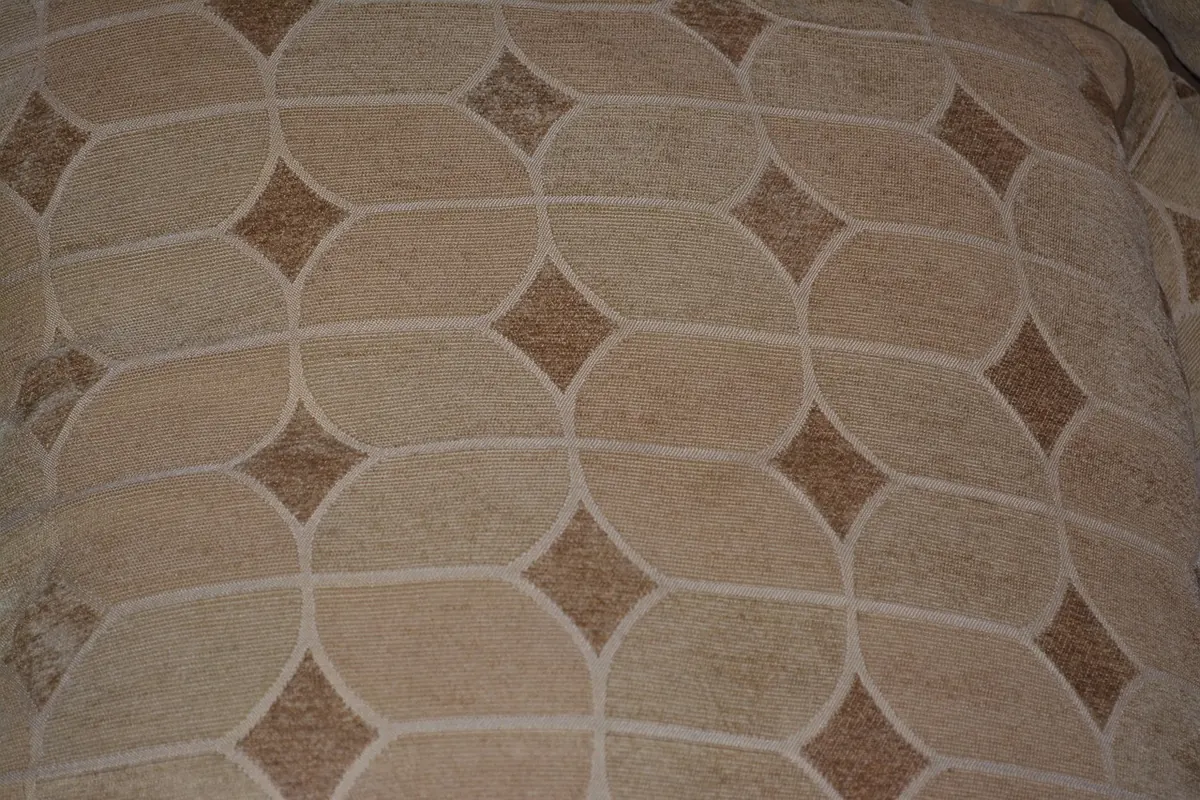
Cushions are the cheap win. Wool covers in a plain weave or a subtle check add texture and can be swapped out in spring without replacing the sofa. Wool curtains, or wool-blend ones, hang beautifully, absorb sound and hold their shape. Treat wool gently: air it on a dry day rather than washing it often, brush it with a soft clothes brush, and store spare throws with cedar or lavender rather than in a plastic bag.
Why Layering Beats One Heavy Blanket
Insulation is mostly trapped air. Three light layers create more of it than one thick one, and they let you adjust as the evening goes on, which matters in a room that warms up once the heating has been on for an hour. A formula that works in most front rooms:
- Base: a wool or wool-blend rug over floorboards, with underlay underneath if you can.
- Middle: a brushed cotton, flannel or flannelette throw over the seat of the sofa, where you actually sit.
- Top: a lighter wool throw or a sheepskin within arm's reach, for shoulders and feet.
- Chairs: a flannel cushion cover or two at the small of the back, where draughts find you first.
Keep the textures contrasting. Chunky knit against smooth flannel and a soft sheepskin reads as considered; four shades of beige fleece reads as a laundry pile.
Flannel, Brushed Cotton and the Soft Landing
Flannel is brushed on one or both sides, and that nap traps air in the same way wool does. You will recognise the feel from winter pyjamas and old-fashioned bed sheets, and it behaves the same way on furniture. Flannel cushion covers are the easiest introduction, because they are inexpensive and easy to wash. In heavier weights, flannel makes a good loose cover for a footstool or an armchair seat that has seen better days.
The same logic applies at the window. An interlined curtain, or a standard curtain with a thermal lining added, will do more for a cold room than any number of accessories. Hang curtains to the floor if you can, let them extend beyond the window frame on both sides, and close them at dusk rather than when you go to bed. That single habit is often the difference between a room that holds its heat and one that gives it away.
Close the Gaps Before You Buy Anything
Small jobs, in order of effort
- Shut the door to the hall or the rest of the house in the evening, and keep it shut.
- Fit a draught excluder along the bottom of that door. A fabric sausage is fine for a gap you can see; a brush strip is better if the gap is uneven.
- Check the fireplace. An unused chimney is a wide-open hole in a warm room; a chimney draught excluder or balloon will stop the pull.
- Move furniture clear of radiators so heat can circulate instead of soaking into the back of the sofa.
- Look at the skirting boards and window frames with the back of your hand on a windy day. Cold air is easier to feel than to see.
Light It in Layers, Then Light a Candle
A single ceiling light makes a room feel flat, and flat light reads as cold no matter what the thermostat says. Aim for three pools of light at different heights: a floor lamp beside the sofa, a table lamp on a side table, and something small and low to draw the eye, which is where candles come in.
Warm white bulbs make a noticeable difference. If you are replacing bulbs, look for a warm white rather than a cool white, and use dimmers or plug-in dimmer switches where you can. Group candles in odd numbers at slightly different heights on a tray or a wide dish, and if there is a mirror behind them, the glow doubles for nothing.
Never leave a burning candle unattended. Keep flames well away from throws, curtains, dried flowers and anything else that hangs or drapes, trim wicks to about 5mm before lighting, and put candles out before you leave the room or settle down to sleep. A candle in a draught can lean into fabric faster than you would expect.
Colour, Scent and the Finishing Details
Warm colours do some of this work for you. Terracotta, rust, ochre, deep green and brown all sit comfortably with wool and candlelight, and they flatter low light in a way that bright white does not. Swap a cool grey or paper lampshade for a fabric one in a warm tone and the same bulb will feel kinder. Brass, dark wood and aged metal catch candlelight nicely; chrome and glass tend to look colder after dark.
Add one or two small rituals. A hot water bottle in a wool cover, kept by the arm of the sofa. A tray on the coffee table with candles, a couple of books and a dish for cups. A lightly scented candle for the evening, and something unscented if you are eating in the room. None of it is expensive, and all of it makes the room feel occupied rather than merely heated.
Your Winter-Proofing Order of Operations
Work in this order and you will feel the difference before you have spent much: draughts and curtains first, then the floor, then the textiles you sit on and under, then the lighting, and candles last. One job a weekend is plenty.
If the room is still cold once you have done all that, or if you notice damp patches, condensation running down the windows or a musty smell, the answer is not another throw. That is a job for a heating engineer or a damp specialist, and if rising energy costs are part of the picture, it is worth asking your energy supplier or a free local advice service about what support is available before you spend money on decor.
Photo: OleksandrPidvalnyi / Pixabay