How to Choose an Indigo Colour Palette for a North-Facing Living Room
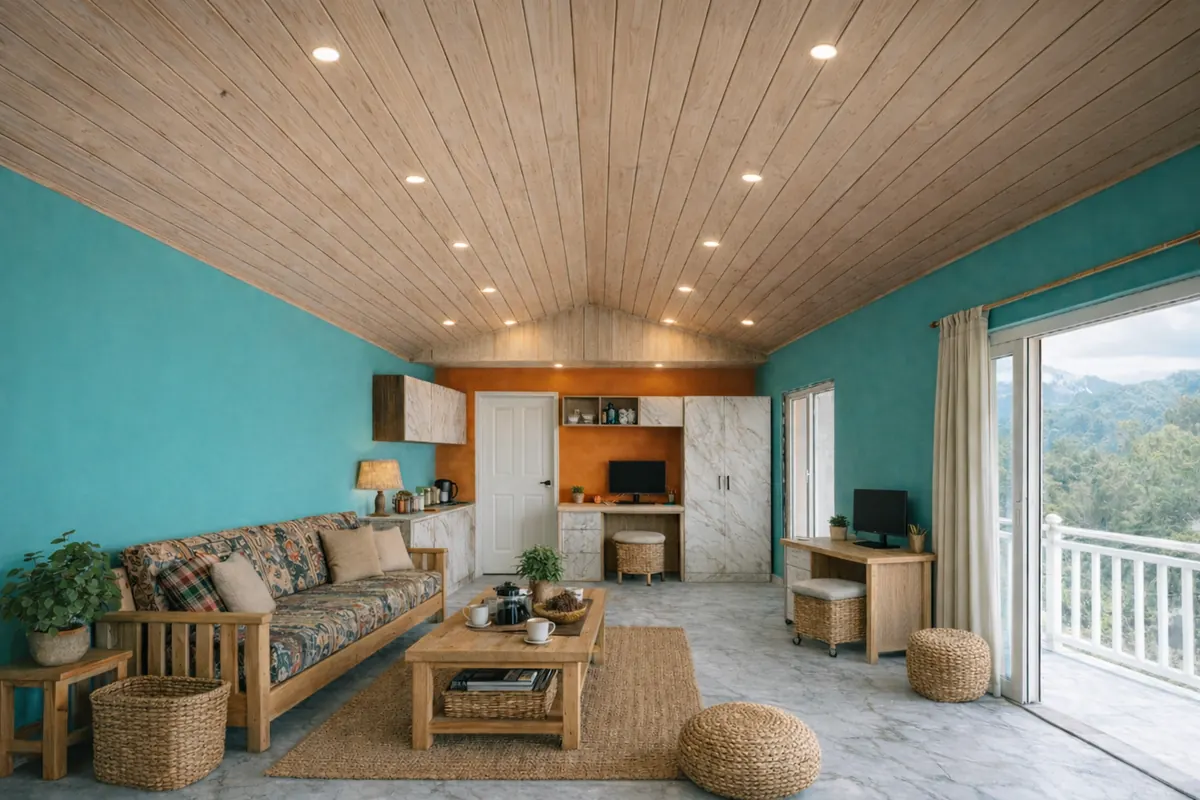
North-facing living rooms have a reputation for being chilly, and indigo has a reputation for being intense. Put the two together and you might assume the result is a cold, gloomy box. In practice, the pairing is one of the most forgiving in decorating — provided you treat indigo as the anchor and let warm neutrals and metals do the softening. The aim is a room that feels like the last hour of a winter afternoon: deep, quiet and glowing rather than grey.
Start With the Light You Actually Have
North light is cool, indirect and remarkably consistent. It rarely throws bright patches across a floor, which is why a wall that looked rich on the paint card can look flat and slightly grey at home. It also changes less through the day than south or west light, so whatever you choose is more or less what you will live with all year.
Before you buy anything, paint two coats onto A2 boards — not tiny squares — and leave a spare strip of white card next to each one. Move the boards around the room over a few days. Look at them at 8am, at midday, and at 8pm with the lamps on. Pay attention to the wall facing the window and the wall beside it; they behave quite differently, and the side walls are usually the ones that decide whether a colour feels warm.
Rule of thumb: if an indigo looks good on a north wall in November, it will still look good in June.
Choose an Indigo With the Right Undertone
Indigo sits between blue and violet, and small shifts in undertone make a big difference in a room with no warmth of its own. Violet-leaning indigos — the ones with a whisper of red or purple — hold their richness against cool light and read as inky and deep rather than flat. Green-leaning indigos and teal-tinged navies tend to turn chalky or icy on a north wall. They are not unwearable, but they need considerably more warm company around them.
Saturation matters just as much as hue. How far you push it depends on the size of the room and how much of it you plan to cover:
- All four walls: a mid-depth indigo with a grey note — think denim, ink, faded navy. It absorbs less light than a saturated navy and keeps a small room from closing in.
- One feature wall or a run of joinery: go deeper and more saturated. A bookcase or a chimney breast painted in proper indigo gives you the drama without swallowing the daylight.
- Ceiling: leave a low ceiling in a warm off-white. If your ceiling is generous, an indigo ceiling with warm off-white walls creates an evening feel without darkening the room at eye level.
- Trim and woodwork: keep skirting and architraves in the same warm off-white as the walls rather than brilliant white, which will look blue beside indigo.
Build a Warm Neutral Base
Aim for roughly sixty per cent neutral, thirty per cent indigo and ten per cent accent. The neutrals are what stop the room feeling like a waiting area for bad weather, so choose them with as much care as the blue.
- Bone or parchment white — a warm off-white that brightens the room without turning grey.
- Oatmeal and limestone — soft and faintly honeyed, excellent on large upholstery.
- Warm greige — grey with a beige base. Hold it next to a cool grey to check the difference; the wrong one will kill your indigo.
- Mushroom and taupe — good for sofas and headboards where you want depth rather than brightness.
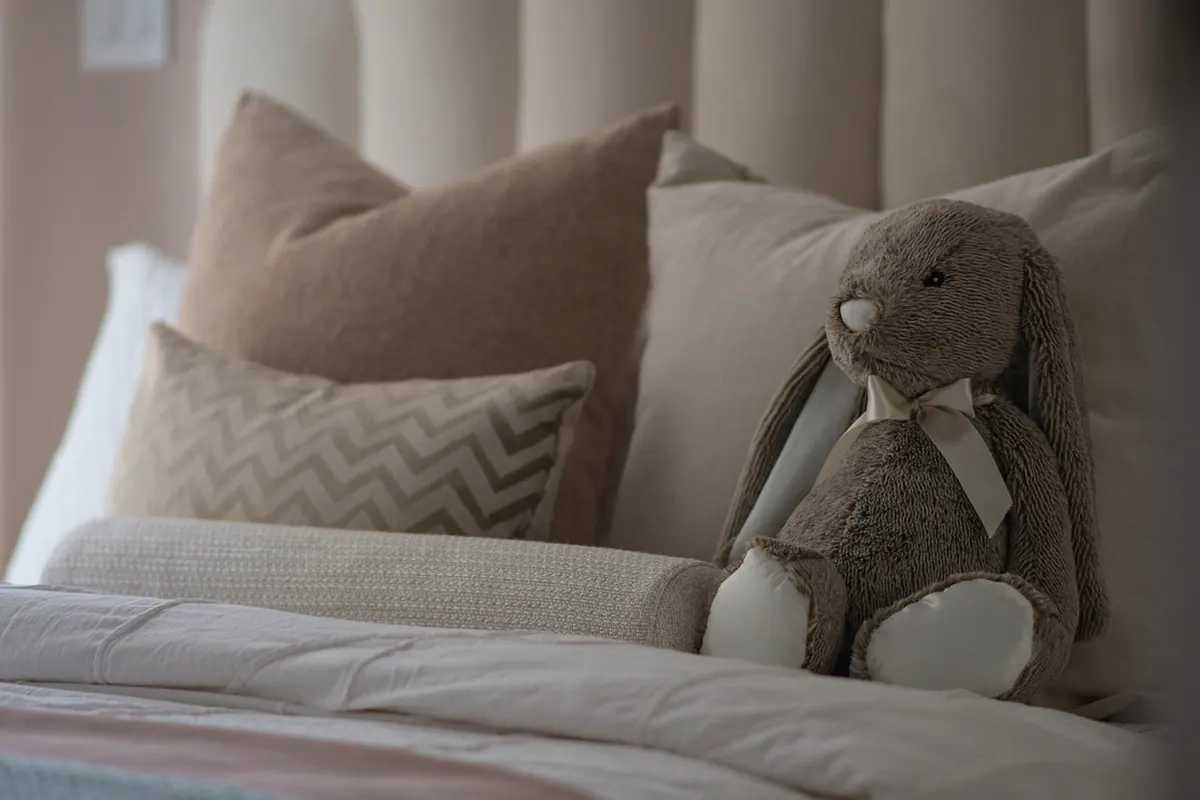
- Camel, sand and biscuit — the deeper warm tones, ideal for rugs, curtains and cushions.
Steer clear of brilliant white, blue-white and dove grey as your main background. In north light, cool neutrals look damp rather than crisp, and they make indigo look harder than it is.
Metallics: Brass and Bronze Beat Chrome
Aged brass, antique brass, bronze and copper all carry a warm cast that flatters indigo, especially once lamps are lit. Chrome, polished nickel and brushed stainless read cold, and in a north-facing room they often pick up the blue in the light and turn grey.
Two metals is plenty; keep one clearly dominant and use the second as a small echo. A brass curtain pole, a bronze lamp base, brass picture frames or a slim brass side table each give the eye a warm point to land on. A lamp with a gold-lined shade is one of the most effective tricks there is: it throws a soft amber glow upwards and down, warming the indigo above it in a way no paint can.
Ground It With Wood, Texture and One Warm Accent
Wood does the same job as metal but on a larger scale. Walnut, teak and dark oak with a warm tone sit beautifully against indigo. Very pale ash or whitewashed timber can look slightly grey and cold here, so if you have it already, warm it up with rugs and textiles.
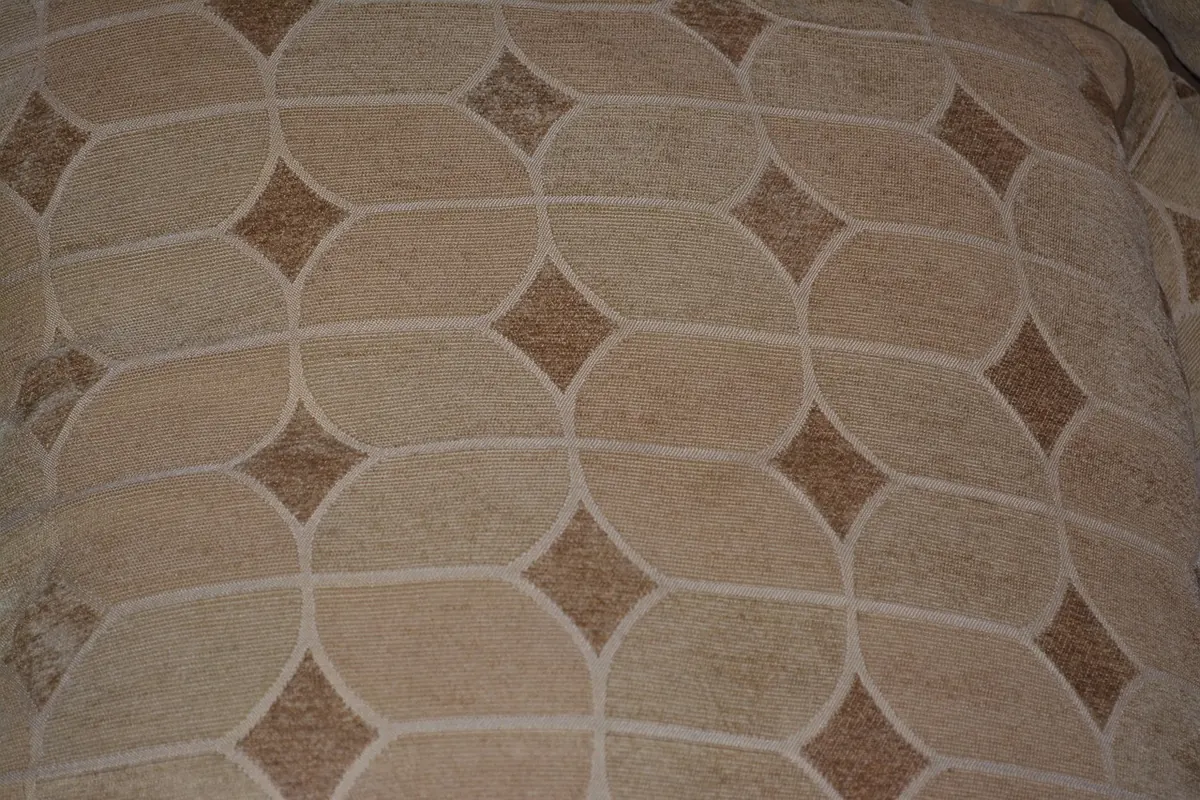
Then layer texture generously: wool, bouclé, sheepskin, kilim, velvet. Flat surfaces read as cold surfaces, and a north-facing room needs softness in more than one place. Finally, add a single warm accent — rust, terracotta, ochre, plum or a muted rose — in three small doses, such as a cushion, a ceramic vase and a piece of art.
Light the Room, Don't Just Illuminate It
Bulbs matter as much as paint. Use warm white bulbs — around 2700K — rather than cool or daylight white, which will undo every warm choice you have made. Build three sources of light at different heights: a floor lamp, a table lamp and something low, all on a dimmer if you can manage it. A single bright ceiling pendant as the only light will flatten indigo every time.
Pulling the Palette Together
Work in this order and you will avoid the most common mistakes:
- Test two or three indigos on boards in the actual room, then choose between them rather than from the shop shelf.
- Pick your warm neutral next, then check it against the winning indigo side by side. If the neutral makes the indigo look dull, it is the wrong neutral.
- Choose one metal and repeat it at least twice.
- Use the indigo at two scales — for example a feature wall plus cushions, or joinery plus a rug border — so it reads as a considered scheme.
- Add one warm accent in three small places.
- Live with it for a week before making any big decisions. If something still feels cold, change the lampshade, the rug or the throw before you reach for the paintbrush.
If the room feels warm at eight in the evening with the lamps on, the palette is working. That is the test that matters in a north-facing living room.
Photo: zhangliams / Pixabay