How to Create a Cosy Reading Nook in an Awkward Alcove
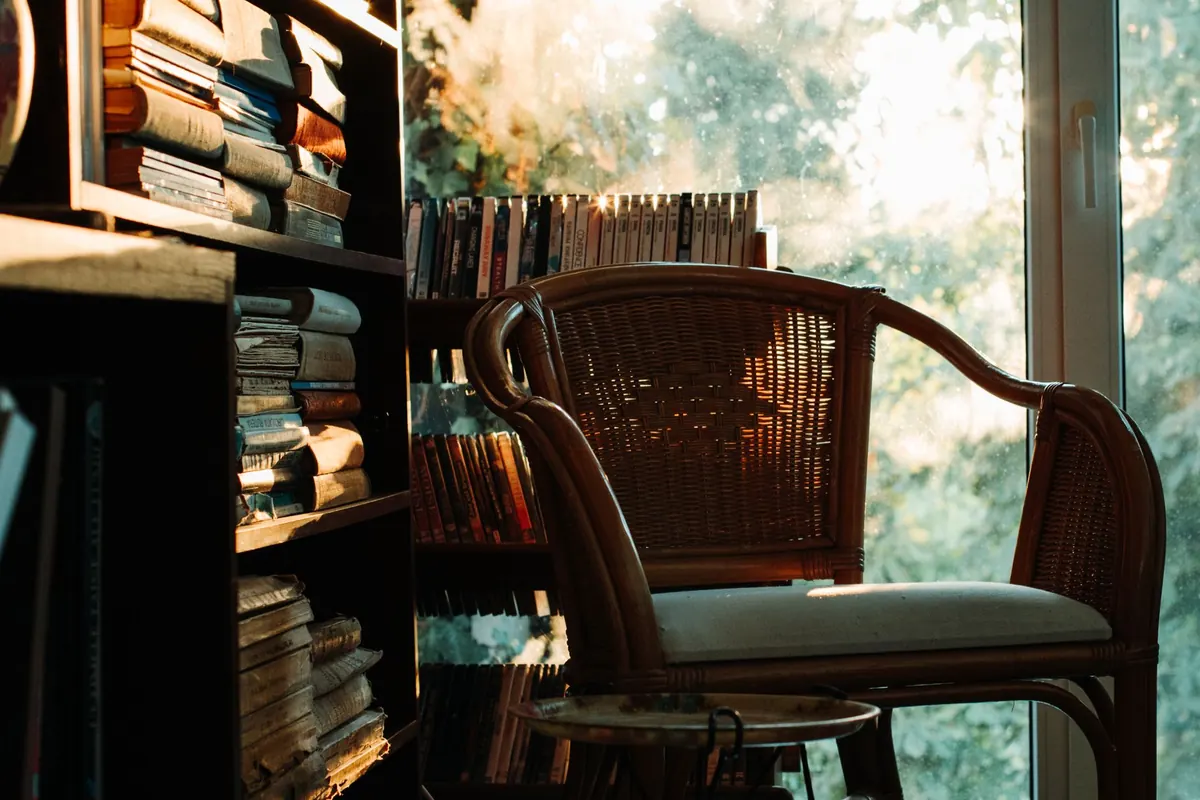
An alcove is often the most awkward patch in a room: too narrow for a sofa, too shallow for a wardrobe, and far too easy to fill with an ironing board and a bag of shoes waiting to go to the charity shop. It is also, with a little thought, the best place in the house to sit and read. The surrounding walls do half the work for you — a recess holds warmth and quiet in a way an open corner never quite manages. Here is how to make one work, whatever its shape.
Measure before you buy a single cushion
Most alcove projects go wrong at the shopping stage rather than the decorating stage. Measure first, then decide what goes in.
- Width at the narrowest point, at floor level and again at seat height. Chimney breasts and old plaster rarely run straight.
- Depth from the back wall to the front edge of the surrounding wall.
- Height to the underside of any shelf, window sill or picture rail.
- Position of sockets, radiators, pipework and any nearby door that swings towards the recess.
Note the surfaces as well as the sizes. A shallow recess beside a chimney breast is usually solid brick, which is good news for shelves. A stud partition in a modern flat is not, and a shelf of hardbacks needs proper fixings or a joiner's eye. If you are unsure what is behind the plaster, find out before you drill.
Layer the lighting
One overhead bulb will make even the best alcove feel like a corridor. Build the light in layers instead, and put each one where you would naturally reach for it.
- A wall light at shoulder height, roughly 1.2m from the floor, angled down onto the page. This is the most useful light in a reading nook and it takes up no floor space.
- A small table lamp at hip height for the warm pool of light that makes a corner feel like somewhere to stay.
- A plug-in picture light or a hidden LED strip tucked behind the front edge of a shelf, for background glow.
- Warm white bulbs, around 2700K, and dimmable where the wiring allows. Cool white will undo every bit of softness you have built.
Rechargeable and USB lamps mean you do not have to chase a socket into the wall. If you are adding wiring, put a switched socket inside the alcove so you can turn everything off at once without crawling behind a chair. For any new circuits, use a qualified electrician.
Find seating that fits a narrow footprint
Depth is the measurement that decides everything. With 60cm or more, a compact armchair or small tub chair will work — check the width across the arms against your narrowest point, not the seat itself. Between 40cm and 60cm, a built-in bench earns its keep: a plywood base with 8–10cm of foam cut to size, upholstered or simply covered with a well-tucked throw. Add a rectangular cushion as a backrest and a firm one to sit on.
Shallower than 40cm and you are looking at a window seat, a fold-down perch, or a generous floor cushion with a wedge backrest propped against the wall. In a long, thin alcove, a chaise or a low daybed uses the length that a chair would waste. Whatever you choose, leave enough room to swing your legs down without knocking the skirting.
Shelves and storage that earn their place
Standard paperbacks need about 15cm of shelf depth; hardbacks and art books closer to 25cm. Anything deeper than you need simply gathers dust. Floating shelves around 20cm deep look light and will not crowd the recess.
Fix them into something solid, and remember that a full shelf of hardbacks is heavier than it looks. On plasterboard, locate the studs or specify fixings rated for the load. Paint the shelves the same colour as the wall behind them and they almost disappear, which keeps a small alcove feeling calm rather than cluttered. Use the bottom of the recess for a low cupboard or a pair of baskets instead of more shelves: it hides the clutter and gives you somewhere to rest a foot. Keep the top shelf below head height when you are seated, or you will spend every reading session ducking.
Let the colour go a shade deeper
Decide first whether you want the alcove to recede or to star. Paint it a shade or two deeper than the surrounding walls — an olive, a soft terracotta, a muted navy — and it reads as a room within a room. Paint it exactly the same colour and finish as the walls and it vanishes, which makes the whole space feel larger. In a small or north-facing room, matching is usually the kinder choice.
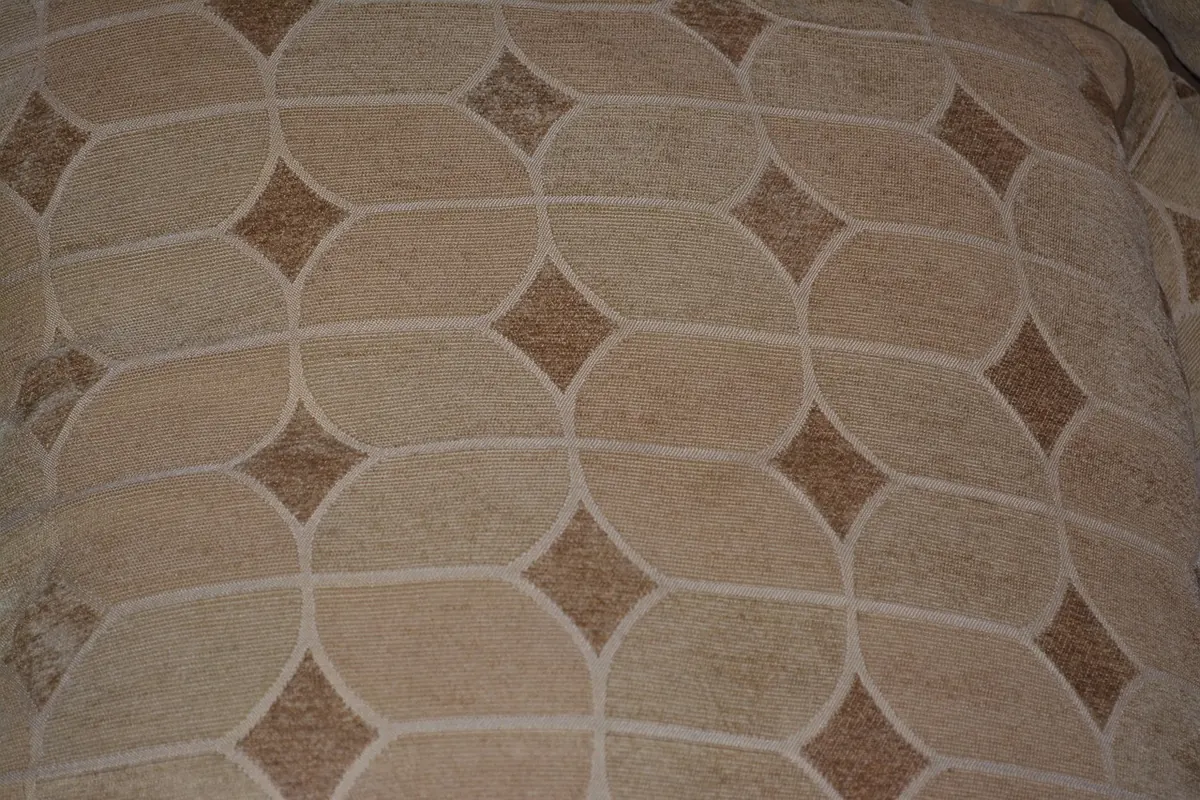
Wallpaper suits an alcove well because the pattern is contained by the walls either side. A bold print that would overwhelm four walls becomes a deliberate detail in a recess. Choose something that complements the room rather than competing with it, and take a sample home to see it in your own light before committing.
Soften the edges with textiles
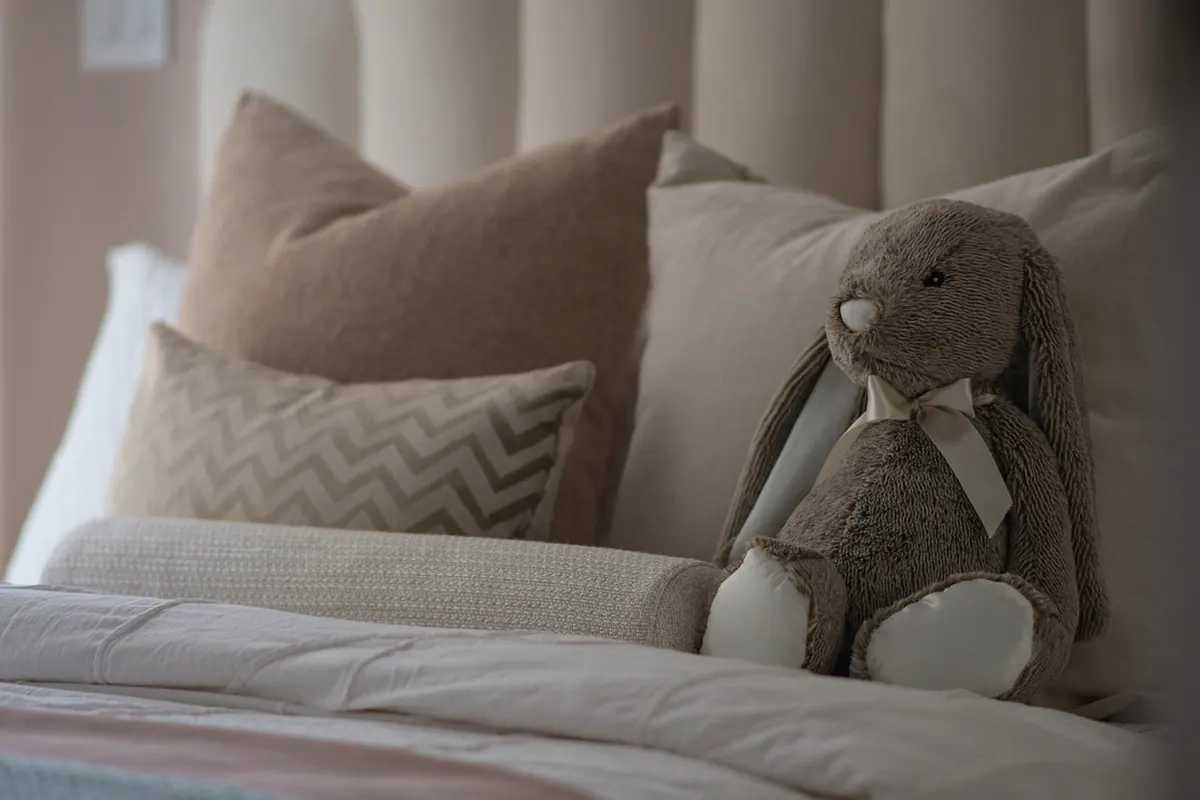
A rug slightly smaller than the floor of the alcove, or a runner if the space is longer than it is wide, defines the nook without cramping it. Two or three cushions in mixed textures — wool, linen, a bit of velvet — do more for comfort than any amount of furniture. Keep a throw in a basket beside the seat so it is easy to reach and easy to tidy away.
If the alcove holds a window, hang curtains outside the recess where you can, so light comes in around them; a blind fitted inside is the tidier option when every centimetre counts.
Sit in it for twenty minutes
Before you call it finished, take a book and sit there for twenty minutes. You will quickly notice what is missing: usually somewhere to put a mug, a light switch you can reach without standing up, and a surface at elbow height for glasses or a phone. A slim shelf fixed at seat height solves all three in one go. A small hook on the side wall takes headphones and a canvas bag.
Keep the floor clear so you can step in and out easily, and avoid stacking anything loose above the seat. If you are adding fixed joinery or new lighting, it is worth paying a joiner or electrician to do that part properly — the reassurance is cheap compared with a shelf coming down mid-chapter. Get those details right and the most awkward corner in the house becomes the one everybody argues over.
Photo: Gabriel Rosu / Pexels